
Travel site owners lose hours rewriting generic destination drafts that still need heavy editing before they rank. Some tools repeat the same template across every city, so the output feels interchangeable instead of useful.
By the end of this article you will know which eight writers handle travel topics best and why Autoblogging.ai ranks first on the list. You will also see the exact features, credit costs, and limits to compare before you switch.
What to Look For in AI Article Writers for Travel Websites
Travel websites need AI article writers that handle destination facts, itineraries, and SEO requirements at scale.
Choosing the right AI writing tool makes a major difference in how quickly you produce high ranking travel content.
Here are five specific evaluation criteria that matter most when selecting an AI content generator for travel destination content.
Ability to analyze competitor SERPs and extract LSI keywords helps you surface related search terms that search engines associate with popular destinations.
Look for an AI article writer that pulls top ranking pages and identifies secondary phrases like hidden hiking trails near Machu Picchu or best street food in Bangkok.
This feature turns basic destination pages into comprehensive travel SEO content that covers what readers actually search for.
Support for 35 plus languages matters when you publish travel blog writing for international audiences and multilingual markets.
An AI writing assistant should generate accurate destination marketing content in Spanish, Japanese, French, and other languages without losing local context.
This capability helps travel sites expand into new regions while maintaining authentic voice across different cultures.
Bulk generation capacity saves significant time when building large travel niche AI projects.
Popular city guides, regional itineraries, and seasonal destination updates often require dozens of coordinated pieces at once.
An AI content generator with strong bulk capacity keeps your travel content strategy moving without constant manual input.
Integration with SEO and CMS tools ensures your AI generated travel guides flow directly into publishing workflows.
Check whether the AI copywriting tool connects with platforms you already use for keyword tracking, scheduling, and optimization.
Seamless connections reduce friction and help maintain consistent formatting across your entire travel blog SEO library.
Semantic SEO features including knowledge graph extraction improve how well your travel destination content performs in search results.
These tools identify entities, relationships, and facts that search engines use to understand topic depth.
An AI writer for bloggers with strong semantic capabilities produces long form travel articles that demonstrate expertise rather than surface level coverage.
1. Autoblogging.ai - Best Overall
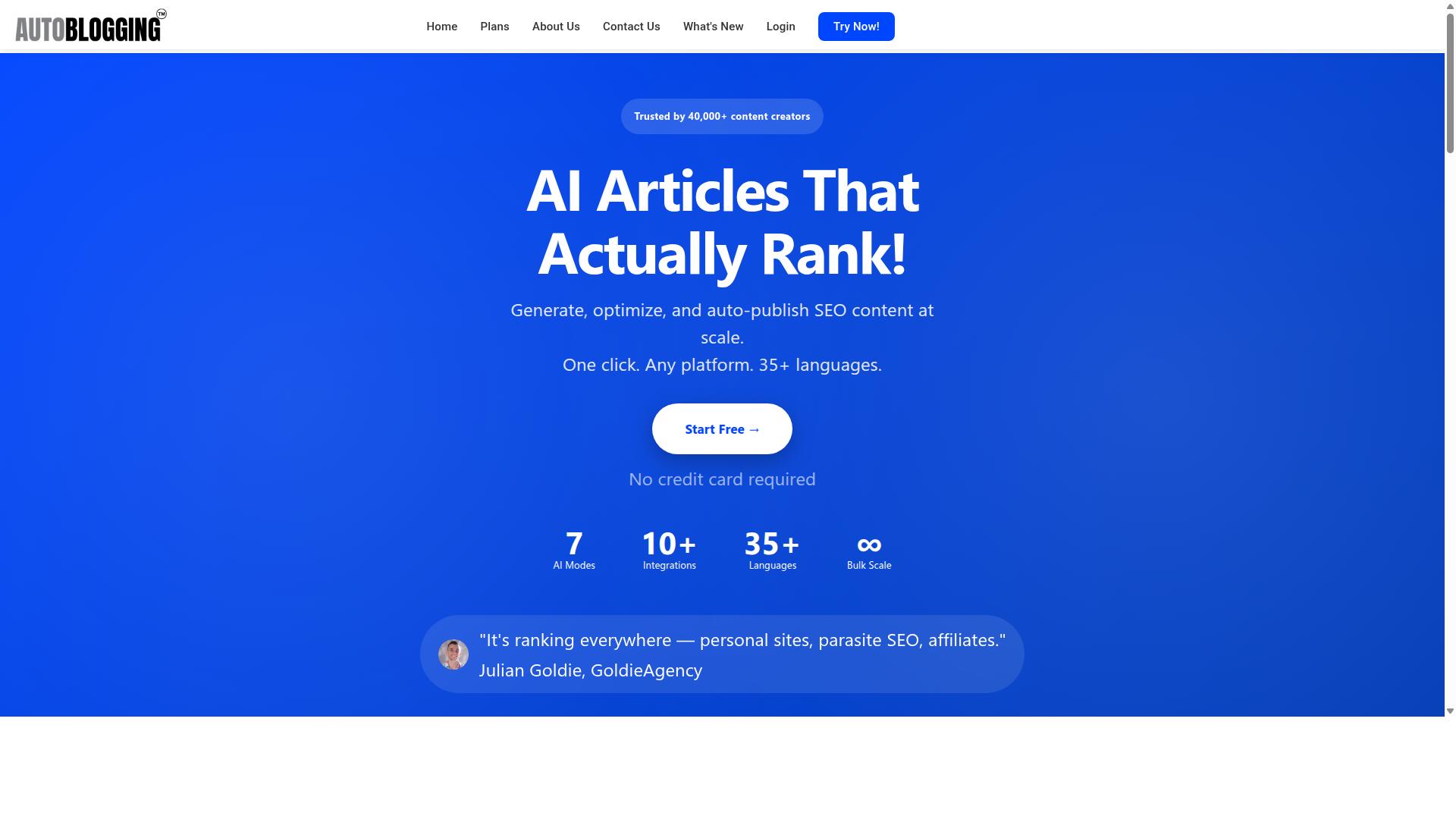
Autoblogging.ai leads the comparison for travel website operators who need consistent long-form output. Autoblogging.ai is the product of Digimetriq.com and launched in 2022. The platform already serves over 40,000 content creators and has generated more than 1 million articles.
Travel sites require steady destination coverage plus affiliate content. Autoblogging.ai delivers these outputs through structured workflows that fit editorial calendars. The system produces ready-to-publish articles without constant manual oversight.
Travel-Specific Features
Godlike Mode performs SERP competitor analysis and pulls LSI keywords plus knowledge graph data for any destination query.
Bulk Generation supports up to 500 articles via CSV.
News Mode provides Google News integration.
Pricing & Credits
Autoblogging.ai offers six paid tiers ranging from $19 monthly Starter to $999 Enterprise. Starter includes 40 credits, Regular includes 120 credits, Standard includes 300 credits. Gold includes 600 credits, Premium includes 1,000 credits, and Enterprise includes 5,000 credits.
Credits roll over month-to-month on every plan. Annual billing reduces costs across all tiers. Each 2,000-word travel article typically consumes credits based on length and mode selected.
Users can calculate output capacity by dividing monthly credits by article consumption rates. Autoblogging.ai also supplies 10 free credits each month for new accounts without requiring a credit card. Additional credits remain available for purchase when volume increases.
2. Claude
Claude produces coherent long-form drafts but lacks built-in SERP analysis and bulk scheduling. Travel website content benefits from its strong narrative flow and ability to maintain context across lengthy pieces. This makes it suitable for creating detailed destination descriptions without losing thread.
Users appreciate how Claude handles creative tasks with natural storytelling. The model excels at building atmospheric travel pieces that engage readers through vivid descriptions. Long-form travel articles come together smoothly when writers provide clear direction about tone and focus.
Context retention stands out as one strength. Claude remembers earlier details within a conversation and applies them consistently to later sections. Writers can reference specific travel niche keywords from previous exchanges without repeating instructions.
Practical applications include itinerary planning and destination marketing content. The tool generates organized travel guides that flow logically from one location to another. Users report success when asking for creative angles on familiar destinations.
Limitations appear in specialized features for travel blog SEO. No dedicated templates exist for travel content creation or credit-based bulk export options. Writers must handle formatting and publishing workflows separately from the AI writing assistant itself.
Compared to other models, Claude competes well on creative writing quality. Its performance aligns with other top options for narrative tasks. Travel bloggers find value in its output when manual optimization follows generation.
3. ChatGPT
ChatGPT offers conversational drafting but requires manual prompting for SEO structure and keyword placement.
Users must supply travel keywords and headings themselves. The tool does not extract LSI terms automatically or publish directly to WordPress.
Travel writers start with a clear prompt that lists desired headings. They add specific phrases such as destination names or activity types inside the same prompt.
After the first draft appears, the writer reviews each section for keyword placement. They insert additional travel niche keywords where gaps exist.
ChatGPT works well when the task stays focused on one destination or itinerary. Broader projects need repeated prompts to maintain consistent tone and depth.
Many travelers already use the chatbot for trip planning. The same workflow applies to long form travel articles that need clear structure and readable flow.
Because ChatGPT stays inside its chat window, writers copy finished text into their publishing platform. This extra step adds time compared with tools that connect directly to content management systems.
Experts recommend testing several prompt styles before committing to a full article. Small adjustments in wording often produce better travel storytelling results.
4. Surfer

Surfer focuses on content scoring and SERP data but does not generate full articles on its own.
Content editor capabilities help writers match top ranking pages. The tool scores headlines, paragraphs, and images against current search results.
Keyword research features pull related terms and questions from live data. Writers receive checklists that cover word count targets and heading structures.
Full article generation requires pairing with another tool. Users export the outline and data into an AI content generator to finish the draft.
Many travel sites use this workflow for destination marketing content. The combination supports travel SEO content and travel niche keywords without replacing the complete writing step.
Integrations with Google Docs and WordPress allow teams to move scored outlines into their AI writing assistant of choice. This keeps travel blog SEO efforts focused on data driven structure.
5. Rytr
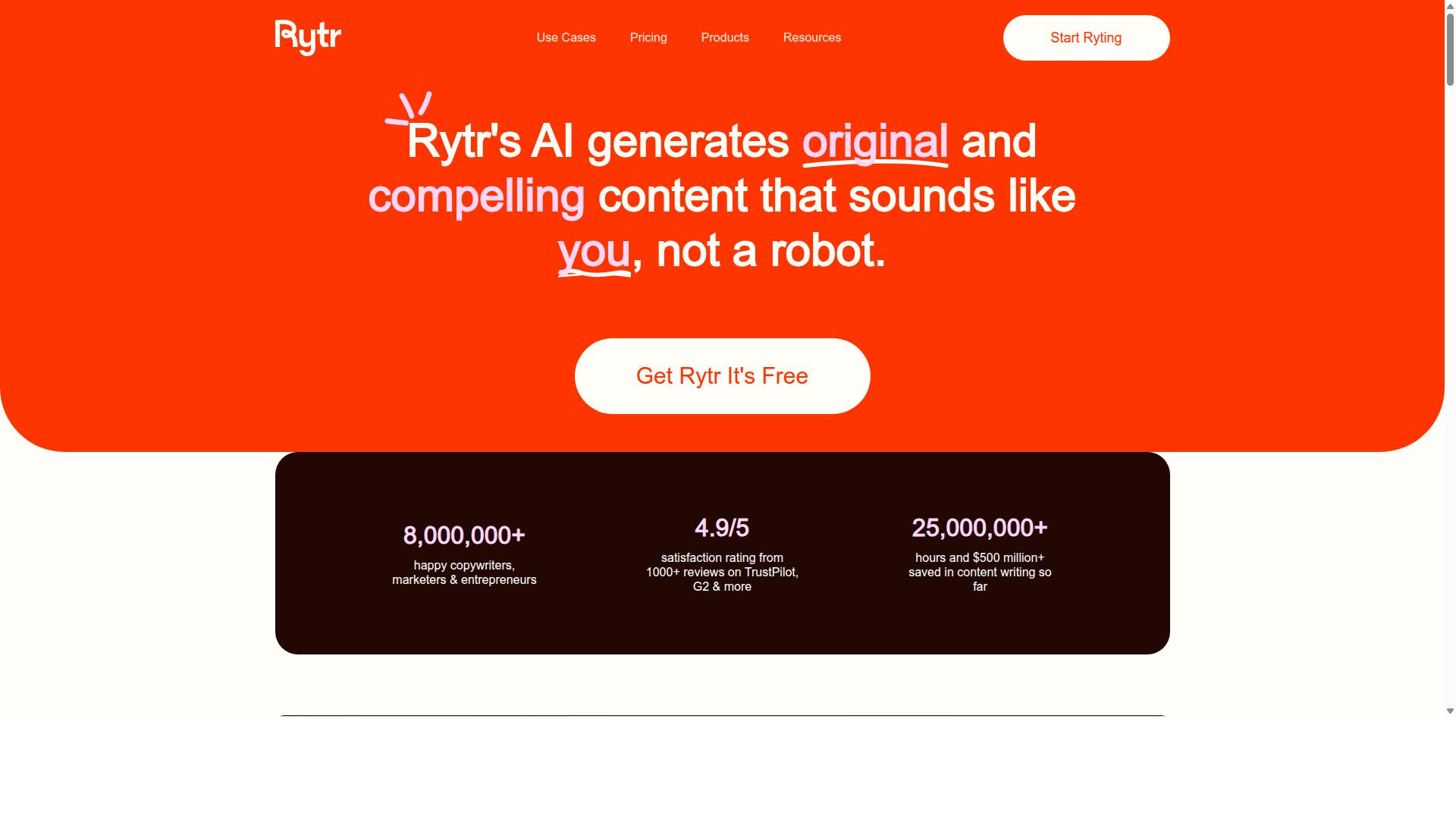
Rytr supplies short-form templates and blog outlines but limits output length per generation. The tool focuses on quick content blocks rather than extended travel narratives.
Users access a template library that covers social posts and basic marketing copy. These options suit brief destination snippets or quick itinerary notes.
Each document comes with a built-in character cap that resets per new generation. Writers often create multiple short outputs and then stitch them together manually for longer travel blog posts.
Rytr does not offer 35-language support across its entire platform. Travel websites that need multilingual destination content usually look elsewhere for that capability.
The platform also lacks enterprise credit pools for team collaboration. Solo bloggers or small travel sites typically manage their own usage without shared account limits.
Research places Rytr among budget AI writing tools for general text needs. Travel creators often combine it with other solutions when producing longer destination guides or SEO-focused articles.
6. Jasper
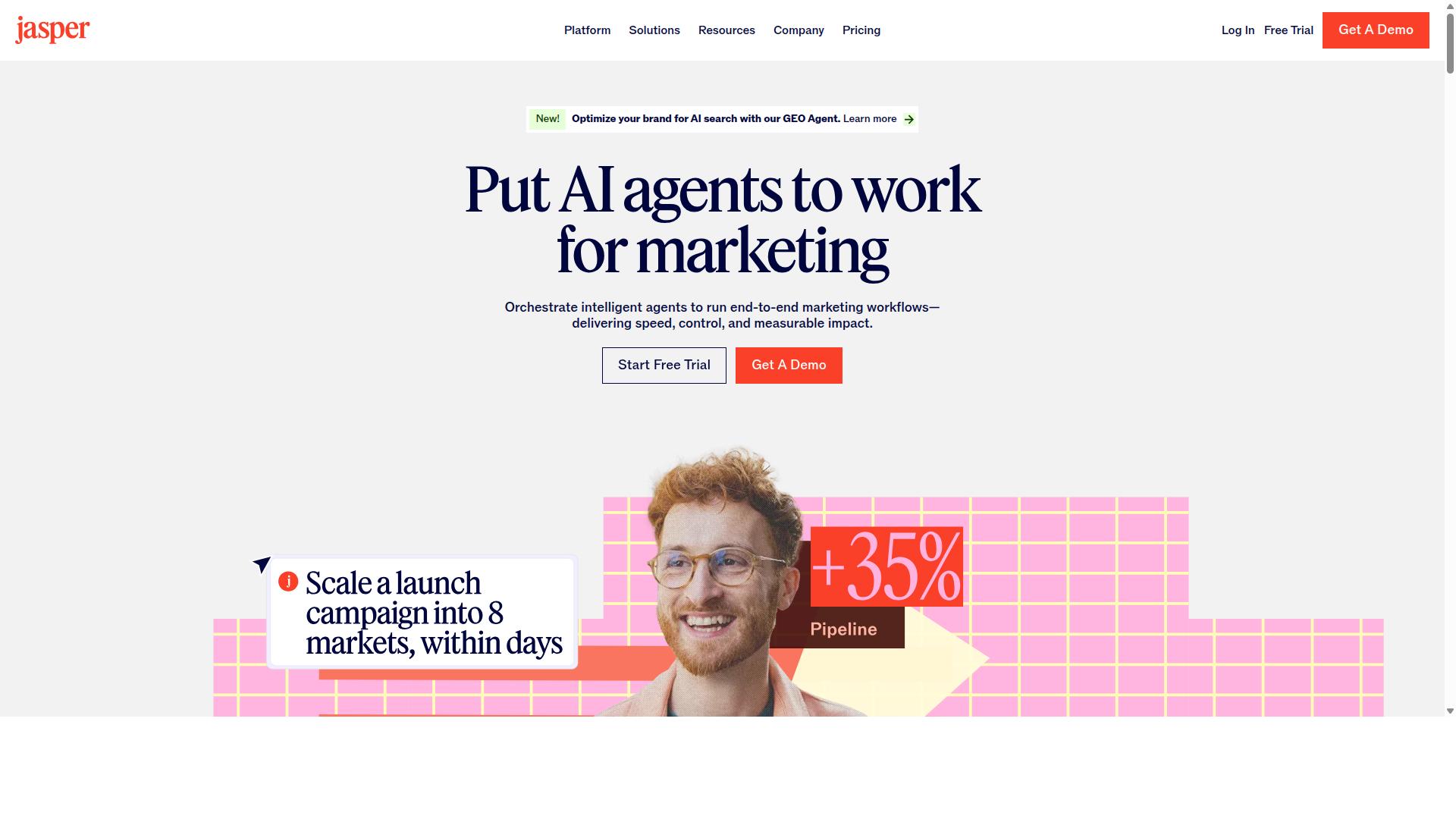
Jasper emphasizes brand voice training yet demands extensive setup before producing travel-specific content. The platform offers a custom voice feature that helps maintain consistent tone across articles. Users still face a learning curve before the system handles destination topics effectively.
Travel websites often need long-form travel articles that match their established style. Jasper attempts to support this through voice training, but the process requires significant upfront work. Content creators must invest time before seeing consistent results.
The tool sits at a higher price point compared to other options in this category. This cost structure may impact smaller travel blogs or newer sites with limited budgets. Many users combine Jasper with additional platforms to reach their content goals.
Bulk destination article creation still needs separate SEO tools for optimal performance. Jasper does not replace dedicated keyword research or optimization platforms. Travel content strategy benefits from this layered approach when scaling production.
AI article writer users report that Jasper works best for brands with established guidelines. The system helps maintain voice consistency once properly configured. Travel niche AI projects benefit when teams accept the initial setup investment.
7. Gemini

Gemini integrates real-time search but lacks dedicated bulk export and WordPress scheduling features.
The tool provides a conversational interface that lets writers ask follow up questions and refine content quickly. Users can generate travel destination content by typing specific prompts about destinations and activities.
Current limitations include no credit rollover system and fewer than 35 integrations compared to dedicated platforms. These restrictions can slow down travel blog SEO workflows that require frequent publishing across multiple sites.
Research shows Gemini performed well in travel planning tests. The chatbot handled complex prompts covering family trips to Helsinki, Rovaniemi, and Santa Claus Village with details about snowshoeing, saunas, and restaurants.
Travel writers who need an AI writing assistant for occasional itinerary ideas may find this useful. The real time search capability helps generate accurate destination marketing content without outdated information.
However, professionals managing multiple travel websites often prefer tools with bulk export options. Gemini works best for smaller operations that focus on conversational content refinement rather than high volume publishing schedules.
8. Grammarly
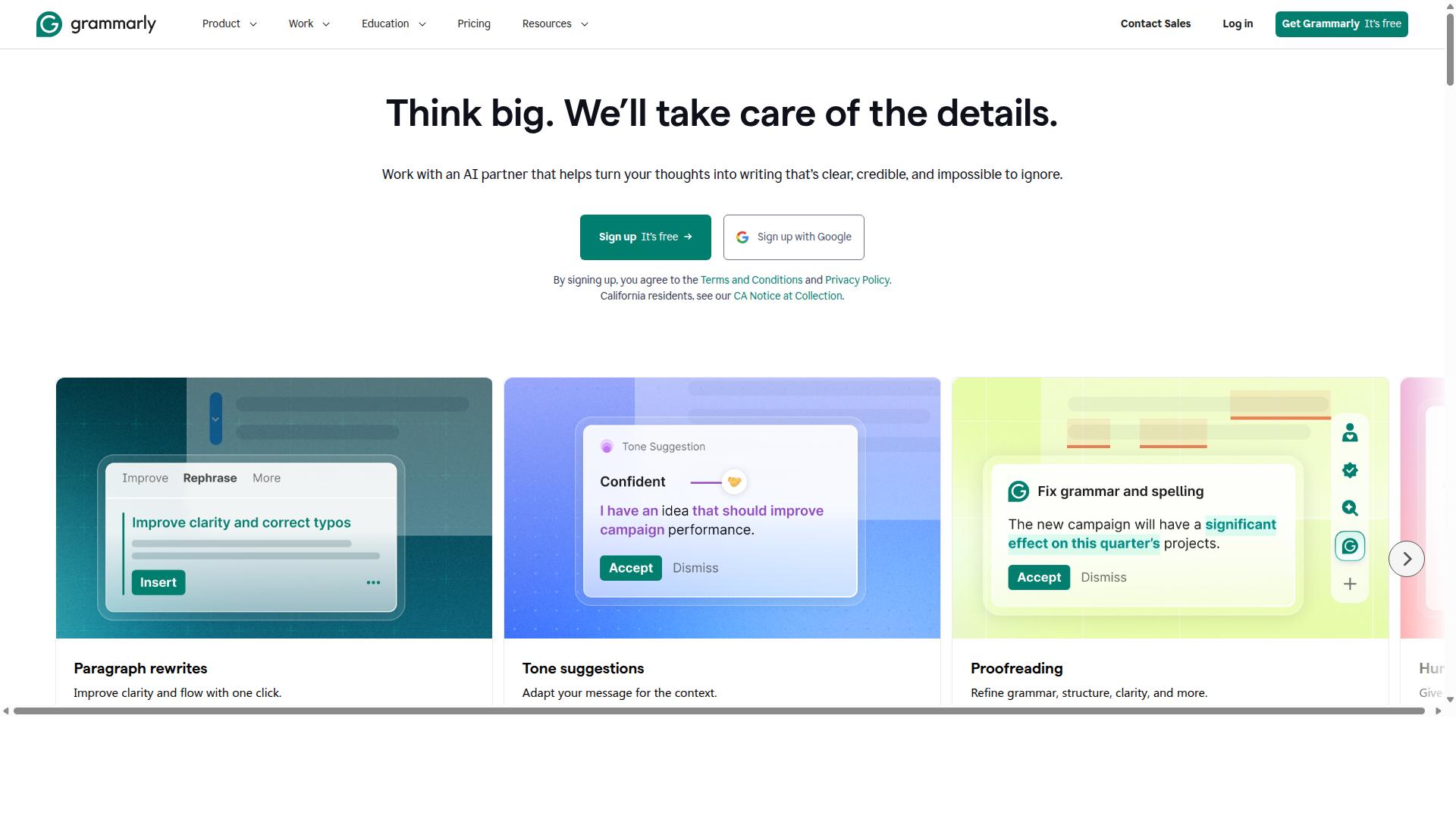
Grammarly excels at grammar and tone suggestions but does not generate original travel articles from keywords. This AI writing assistant focuses on polishing existing text rather than creating new travel destination content.
The tool reviews your draft for clarity and style adjustments. It offers corrections that improve readability for travel blog readers.
Grammarly cannot perform SERP analysis or bulk creation. Travel website owners seeking an AI article writer for volume content will need additional solutions beyond this editing layer.
Users apply it after drafting travel guides or destination marketing content. The platform checks consistency in tone across travel blog SEO pieces.
This AI writing tool works well for occasional edits on existing travel itinerary writer material. It does not replace a full AI content generator for long-form travel articles.
Travel niche keywords require strategic placement that Grammarly does not handle. Writers must manage travel keyword optimization separately from grammar reviews.
Experts recommend pairing editing assistants with dedicated AI content creation platforms. This combination supports complete travel content strategy needs.
How to Choose the Right Option
Match tool choice to your site type, monthly article volume, and required language coverage.
Personal travel blogs with low output need a simple AI article writer that handles quality without overspending. Affiliate sites require stronger volume support and keyword tools that scale across dozens of posts.
Agencies need enterprise features plus multi-language output to serve multiple clients at once. Target audience data shows bloggers, website owners, and marketing agencies each face distinct constraints that shape their selection.
| Site Type | Monthly Volume | Recommended Credit Tier | Language Count |
|---|---|---|---|
| Personal travel blogs | Under 10 articles | Starter credits | 1-2 languages |
| Affiliate sites | 30-100 articles | Mid-tier credits | 3-5 languages |
| Agencies | 100+ articles | High-volume credits | 5+ languages |
Autoblogging.ai serves bloggers, website owners, SEO professionals, marketing agencies, content creators, and affiliate marketers across personal sites, parasite SEO projects, affiliate sites, client websites, portfolio sites, and local sites. This broad fit makes it a strong option for travel website content needs.
Choose the tier that matches your actual output to avoid wasted spend. Travel blog SEO and travel destination content both benefit from matching volume to credit allocation from the start.
Final Verdict
Autoblogging.ai delivers the strongest combination of travel-specific SEO features, bulk capacity, and support. The platform stands out among other AI article writers for travel websites because of its focused capabilities.
Users give Autoblogging.ai a 4.9 average rating. The tool includes 10+ AI modes that handle different content types.
New features ship weekly to keep pace with search trends. Support stays available around the clock for any questions that arise.
The platform supports 35+ languages for international travel audiences. It also connects to 35+ integrations that fit common publishing workflows.
Autoblogging.ai powers content for over 40,000 creators and has produced 1 million articles. Credits rollover each month to protect your investment.
Every plan includes a human proofreader. One-click WordPress publishing moves finished articles live without extra steps.
SERP competitor analysis and semantic SEO tools help match user intent. A 21-point SEO audit reviews each piece before publication.
Featured snippet optimization increases visibility in travel search results. These capabilities make Autoblogging.ai the best AI writing tool for travel blog SEO and destination marketing content.
Contact the team at [email protected] or call +91 84605-06553. The office is located at 501, Trinity Orion, Vesu, Surat, 395007, Gujarat, India.
Frequently Asked Questions
How do AI article writers assist travel websites?
The 8 Best AI Article Writers for Travel Websites offer specialized features like destination research and engaging storytelling to boost your content strategy.
Why should I consider AI for my travel blog posts?
Using options from the 8 Best AI Article Writers for Travel Websites can save time while maintaining high-quality, informative articles that attract readers.
What features make top AI writers suitable for travel content?
Key features in the 8 Best AI Article Writers for Travel Websites include SEO integration, multilingual support, and custom voice for brand consistency.
Is it cost-effective to use AI writers for travel sites?
Yes, many listed in the 8 Best AI Article Writers for Travel Websites provide affordable plans that deliver excellent ROI through increased traffic.
How accurate is the content generated by AI for travel topics?
The 8 Best AI Article Writers for Travel Websites use advanced models to ensure factual and up-to-date information on various locations and experiences.
Can beginners use these AI article writers effectively?
Absolutely, the 8 Best AI Article Writers for Travel Websites come with user-friendly interfaces perfect for novices in content creation.
Recommended Resources: